


 Shay
Shay





How to Choose the Right Pool Filter Cartridge: A Comprehensive Guide
1. Understand the Types of Pool Filters
Pool filters generally fall into three categories:
-
Sand Filters: Affordable and low-maintenance, these use sand to trap debris. However, they may struggle with fine particles.
-
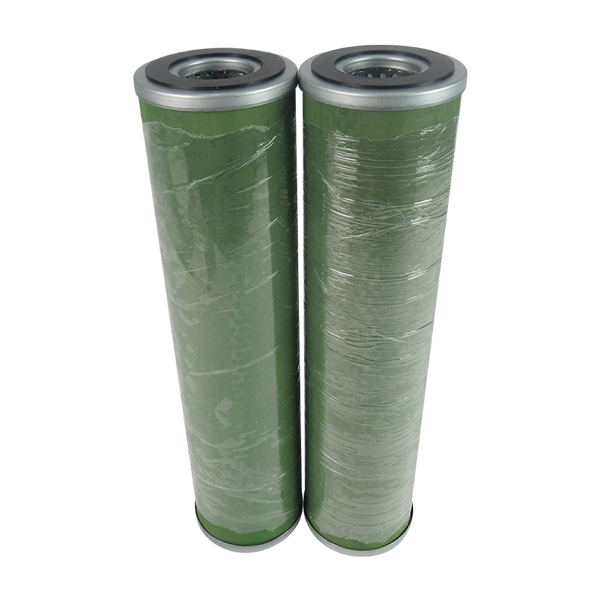
Cartridge Filters: Known for superior filtration, these reusable cartridges capture smaller particles and require less frequent cleaning.
-
Diatomaceous Earth (DE) Filters: Offering the highest filtration precision, DE filters use powdered fossilized algae but demand more maintenance.
2. Consider Your Pool’s Size and Usage
Larger pools or those with heavy usage (e.g., commercial pools) often benefit from sand or DE filters, which handle higher volumes. Cartridge filters are ideal for residential pools due to their efficiency and ease of use.
3. Evaluate Maintenance Requirements
-
Sand Filters: Backwash weekly; replace sand every 3–5 years.
-
Cartridge Filters: Clean every 4–6 weeks; replace every 2–3 years.
-
DE Filters: Backwash frequently and recharge with DE powder after each cleaning.
4. Factor in Budget and Longevity
While sand filters are cost-effective upfront, cartridge and DE filters may save money long-term through better energy efficiency and reduced chemical use.
5. Prioritize Filtration Efficiency
For pools in dusty areas or those requiring ultra-clean water (e.g., for sensitive skin), DE or high-quality cartridge filters are preferable. Check micron ratings—the lower the number, the finer the filtration.
6. Environmental Impact
Cartridge filters produce less wastewater than sand or DE options, making them eco-friendlier. Some brands now offer recyclable cartridges.
Conclusion
Choosing the right pool filter cartridge hinges on balancing filtration performance, maintenance effort, and budget. Regular inspections and timely replacements ensure optimal water clarity and extend the lifespan of your pool system. When in doubt, consult a professional to tailor solutions to your pool’s unique requirements.