


 Shay
Shay





What Do Filters in Your Hydraulic System Really Do?
What is a Hydraulic Filter Element?
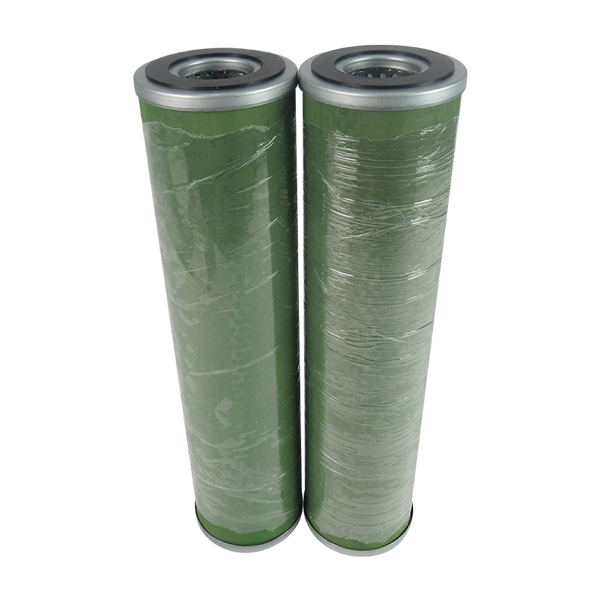
A hydraulic filter element is the core, replaceable component housed within a hydraulic filter housing. Think of the housing as the permanent body and the element as the disposable cartridge that does the actual work of cleaning the fluid. Its primary function is to physically capture and remove insoluble contaminants—such as metal particles, dirt, dust, and seal debris—from the hydraulic oil as it circulates through the system.
Characteristics of Different Filter Element Materials
The choice of filter media material is crucial as it determines the element's efficiency, capacity, and compatibility with different hydraulic fluids. The most common materials are:
-
Cellulose Media: Made from wood pulp, these elements are reinforced with synthetic fibers or resin for increased strength and durability. They offer a good dirt-holding capacity and are generally more cost-effective. However, they are susceptible to breakdown in the presence of water and certain high-water content fluids (HFC, HFA), and they typically have a higher micron rating compared to synthetic options.
-
Synthetic Media (Glass Microfiber): These high-performance elements are constructed from fine glass microfibers. They provide superior filtration efficiency, capable of capturing much smaller particles for a given micron rating. They also offer higher dirt-holding capacity and excellent resistance to fluid degradation, making them ideal for demanding applications and extended service intervals. Their primary disadvantage is a higher initial cost.
-
Stainless Steel Mesh: These are reusable and cleanable elements, often used as suction strainers or in applications where very coarse filtration is acceptable. They are extremely robust and resistant to high temperatures and pressure spikes but lack the fine filtration capability of media-based elements.

The Role of the Filter Element in the Filtration System
The filter element is the central actor in the system's contamination control strategy, serving several critical roles:
- Component Protection: It is the main defense against abrasive wear. By capturing hard particles, the element prevents them from circulating and grinding down precision tolerances within pumps, vane slots, valve spools, and cylinder seals, thereby dramatically extending the service life of the entire system.
- Maintaining Fluid Integrity: Contaminants can act as catalysts for oil oxidation, leading to sludge and acid formation. A effective element removes these particles, helping to keep the oil chemically stable and functional for longer periods.
- Ensuring System Reliability and Efficiency: Clean oil, provided by a functioning element, ensures consistent system performance. It maintains viscosity, prevents internal leakage, and ensures valves operate correctly. This translates to predictable operation, reduced downtime, and protection of a significant capital investment in the machinery.