 Shay
Shay


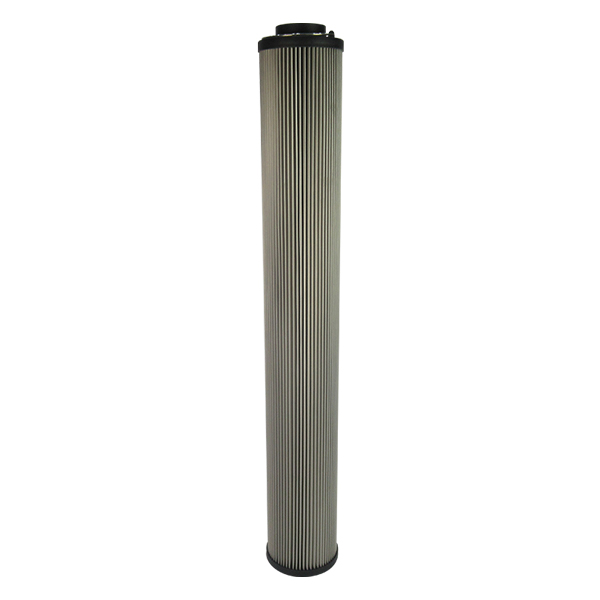


QF6806W25H1 Hydraulic Oil Filter
Product SpecificationsHuahang
Part number |
QF6806W25H1 |
Filter layer |
Stainless steel/Fiberglass |
Inner skeleton |
Punched plate |
Working temperature |
-30~+110℃ |


faqHuahang
1. What harm can low-quality hydraulic oil filters cause to equipment?
Cleaning is the primary issue when hydraulic oil enters the hydraulic system for operation. Hydraulic pollution is not the dirty phenomenon that people imagine at a glance, but rather the seemingly clean oil that is actually filled with thousands of pollution particles. The filtering effect of low-quality hydraulic oil filter element is poor, and it cannot effectively prevent dirt and other impurities from entering the hydraulic system. If small impurity particles enter the hydraulic system, they will scratch the hydraulic pump (high-precision plunger pumps are commonly used on excavators, wear causes increased clearance, hydraulic pressure cannot rise, and thus work weakly), block the valve, block the oil port, and cause machine failure.
2. How to determine whether hydraulic components are damaged by regularly inspecting and replacing hydraulic oil filter elements?
When replacing the hydraulic oil filter element, please check if there are metal particles or debris at the bottom of the filter element. If there are copper or iron chips, it indicates that the hydraulic pump, hydraulic motor or valve may be damaged or about to be damaged. If there are rubber particles, it indicates that the hydraulic cylinder seal is damaged.
3. The difference between fiberglass products and ordinary hydraulic filter paper
Some of our company's products are made of fiberglass materials with higher filtration accuracy. Compared with ordinary hydraulic filter paper (ordinary wood pulp filter paper, limited by the thickness of its wood pulp fibers, the filtration accuracy is limited, while fiberglass has finer fibers, so it can achieve higher filtration accuracy), fiberglass materials have higher filtration accuracy and stronger resistance to strong pressure.
-Improving the performance of hydraulic systems
-Longer service life of components and machinery
-Reduce the risk of malfunctions and downtime
-Reduce maintenance and repair costs
-Improve energy efficiency
WASHING METHODSHuahang
1. Preparation before cleaning: Firstly, it is necessary to set the pressure difference of the filter element and keep a record. This helps to understand the cleaning status and effectiveness of the filter element.
2. External and internal cleaning: Use a 30x magnifying glass gun to check the cleanliness of the internal, external, and surface of each filter element. This helps ensure thorough cleaning of the filter element.
3. Alkaline washing: Put the filter element into a high-temperature cleaning vehicle, and add various alkaline solutions and cleaning agents (such as NaOH, NatCONaiPO4) to remove oil stains, coke, and other impurities. Keep the temperature at 90-105 ℃ for 24-48 hours.
4. CCL soaking: After alkaline washing, put the hydraulic oil filter element into CCL car wash solution to clean the asphalt and coke powder passing through the tank filter element. Wash at room temperature for 20-24 hours to ensure that the detergent penetrates every tiny corner.
5. Pickling treatment: After soaking in CCL, heat the filter element in a cleaning car to 120-130 ℃ and soak for 4-8 hours to remove carbon deposits from the material. Then use pressure regulating spray equipment to rinse, from the inside out, each tube of the filter element, with a cleaning time of 30 minutes for each tube
Note
When the oil temperature is greater than 10 ℃, the wind turbine operates.
When the oil temperature is 40 ℃ and the pressure difference between the inlet and outlet of the filter exceeds 3 bar, the pressure difference sends a signal
The device emits an alarm signal, prompting the replacement of the filter element. When the oil temperature is ≤ 40 ℃, ignore the pressure
The alarm signal transmitted by the differential transmitter.
When the oil temperature exceeds 55 ℃, the oil flows through the cooler for cooling, and when the oil temperature drops to
At 45 ℃, oil flows directly into the gearbox.
Pump outlet pressure sensor or pressure gauge, used to detect the pressure of the system, system
The safety valve is set to a pressure of 12 bar. When the detected pressure exceeds 12 bar, the safety valve
The valve opens and the system overflows.